The Real Cost of Fast Fashion Returns (And How to Stop)
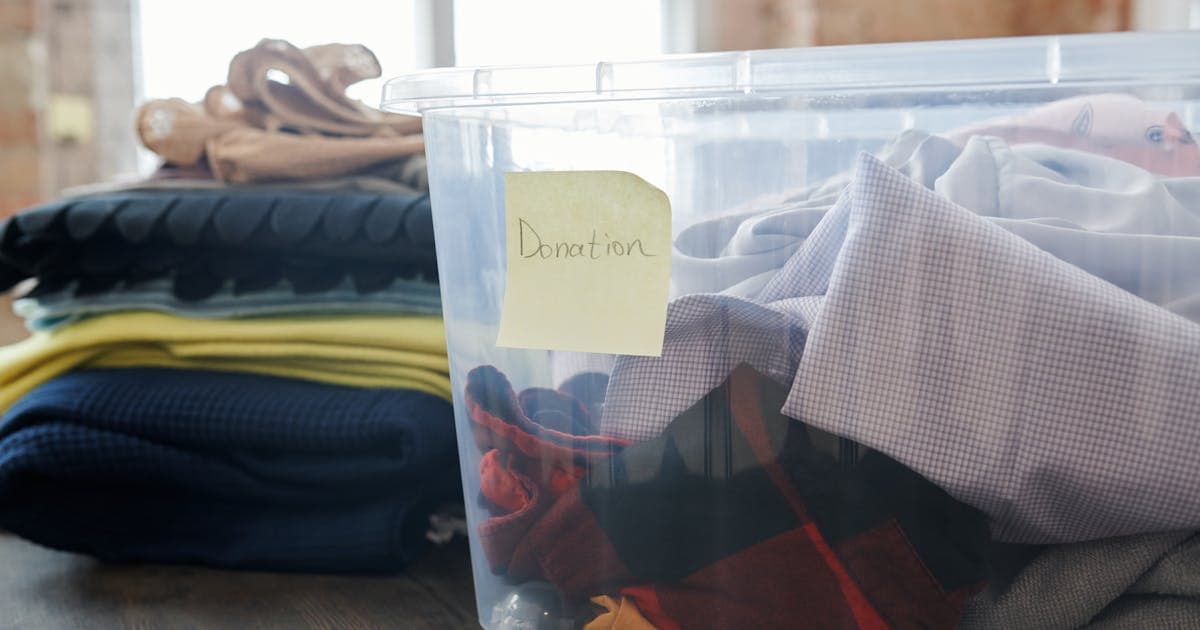
Here's a number that surprised me: about 2.6 million tons of returned clothing ends up in landfills every year in the US alone. Not donated. Not resold. Landfilled. I read that stat from a 2024 Optoro report and it changed how I think about the "free returns" button.
Why returns are worse than you think
When you return an item, most people assume it goes back on the shelf and gets sold to someone else. That's often not what happens.
For many fast fashion brands, it costs more to inspect, repackage, and restock a returned item than the item is worth. A $25 dress that costs $8 to ship back, $3 to inspect, and $4 to repackage has eaten $15 of its value before it even gets re-listed. For low-margin retailers, it's cheaper to write it off.
Some returned items get sent to liquidation warehouses where they're sold by the pound. Others go straight to waste.
The carbon footprint of a single return
Every return generates emissions from shipping (both ways), packaging waste, and the processing facility. One estimate puts the carbon cost of a single return at about 4.7 pounds of CO2. In the US, online clothing returns generate roughly 24 million metric tons of CO2 annually.
I don't say this to guilt anyone. I was returning 4 or 5 items a month for years. The system makes it easy, and brands actively encourage over-ordering with "buy multiple sizes and return what doesn't fit" marketing.
"Free returns" aren't free
When a brand offers free returns, that cost is built into the product price. Everyone pays for returns, including people who keep their purchases. A 2024 analysis found that brands with free return policies price items 8 to 15% higher to cover the cost.
And "free" returns are disappearing. Zara charges for mail returns in most markets now. H&M tested return fees. The trend is clear: brands are passing the cost back to shoppers.
What actually reduces returns
Know your measurements
About 52% of online clothing returns are due to sizing issues (Barclaycard research, 2023). Knowing your actual measurements and checking them against each brand's size chart eliminates half the problem.
Read reviews for fit
Not star ratings. Actual fit comments. "Runs small in the shoulders," "true to size," "order one size up." Three minutes of review-reading prevents most sizing surprises.
Preview before buying
Virtual try-on tools like Veston let you see how a garment looks on your body before you order. It catches the "this looked different on the model" problem and the obvious proportion mismatches. I started using this about six months ago and my return rate dropped from around 60% to under 20%.
Buy less, buy better
This one is simple but hard. Instead of ordering five $20 tops hoping two will work, spend $50 on one top you've researched properly. You end up spending the same amount but keeping what you buy.
I'm not perfect at this
I still return things sometimes. Last month I sent back a pair of pants because the fabric felt nothing like the description. That happens. The goal isn't zero returns. It's fewer unnecessary ones.
If every online shopper reduced their return rate by even 20%, the impact would be enormous. Millions of tons less waste. Millions of tons less CO2. And you'd save yourself a lot of trips to the post office.