Online Clothes Shopping: A No-Nonsense Guide for 2026
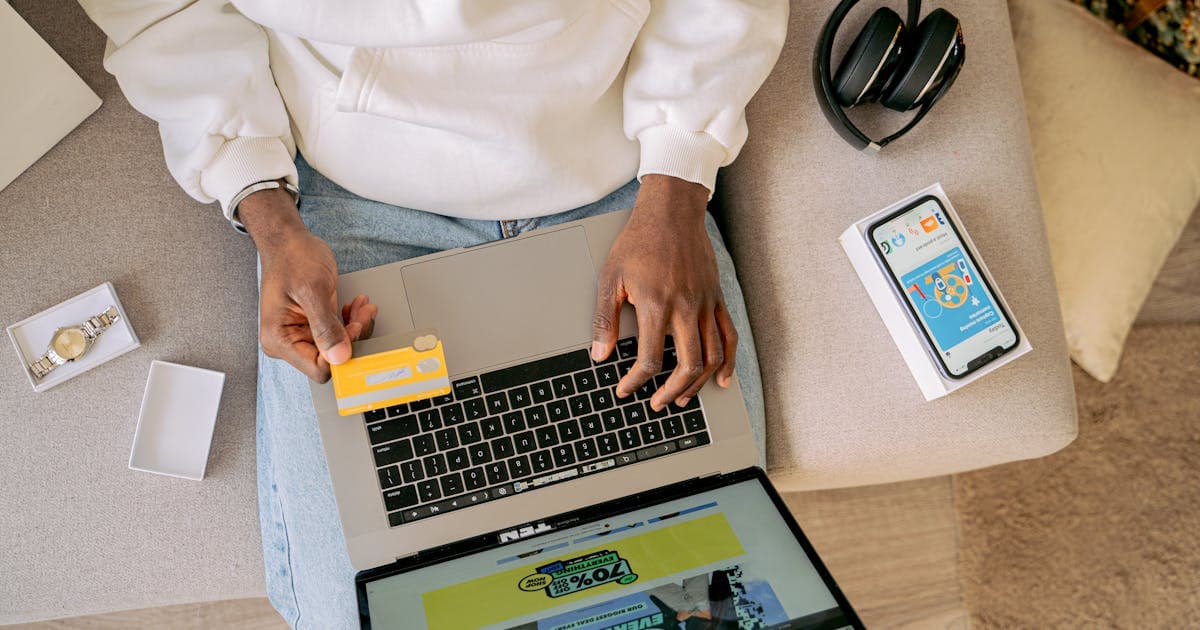
I buy about 90% of my clothes online. Over the past few years, I've gotten pretty good at it. Not because I'm some fashion expert, but because I've made enough mistakes to know what actually matters.
This is the guide I wish someone gave me three years ago.
Before you buy: the 5-minute research checklist
Check the fabric composition
Scroll down to the product details and find the material breakdown. 100% polyester? It'll probably feel like a plastic bag. A cotton- poly blend? Usually fine. 100% cotton or linen? Great quality, but it will wrinkle and might shrink.
I once bought a "silk-feel" blouse that was 100% polyester. It felt like wearing a trash bag. The fabric composition was right there on the page. I just didn't check.
Zoom into the stitching
Most product pages have high-resolution images. Zoom in on the seams, the collar, the cuffs. Uneven stitching, loose threads, or puckering around seams tells you a lot about construction quality.
Read reviews for fit, not just quality
Look for reviews from people with similar body types to yours. If three people say "runs large in the chest," believe them. Size charts are often generic, but real customer feedback tells you what that specific item does.
Look for video reviews
If the brand or other customers have posted video reviews, watch them. You learn more about how fabric moves and drapes from 10 seconds of video than from 20 product photos.
Preview it on yourself
Use a virtual try-on tool like Veston to see the garment on your own body. This catches the "it looked different on the model" problem about 80% of the time.
Sizing: how to get it right
The most important thing to know: there is no universal sizing. A medium from Zara is not the same as a medium from Uniqlo. Every brand has its own size chart.
Measure yourself once with a tape measure (chest, waist, hips, inseam) and keep those numbers in your phone. Then compare your numbers to the specific brand's size chart. Not your usual size. Your actual measurements.
I went from guessing "I'm always a medium" to checking every time. My return rate dropped by about half.
Red flags to watch for
No size chart on the product page. Only one or two heavily edited photos. No reviews at all. A return policy buried in fine print. "One size fits all" (it never does).
If a deal seems too good to be true, check the brand on review sites first. I've been burned by Instagram ads for brands that look premium but ship flimsy products from overseas warehouses.
Handling returns smartly
Know the return policy before you buy. Some stores give you 14 days. Some give 30. Some charge you for return shipping after the first free return. I keep a note on my phone with the return windows for stores I buy from regularly.
When you get a package, try everything on immediately. Don't let it sit in the bag for two weeks while the return window closes. I set a reminder on my phone: "try on clothes" the day after expected delivery.
My purchase workflow
Find item. Check fabric. Read 5 reviews. Compare measurements to size chart. Preview on virtual try-on. Then buy. It adds about 5 minutes per item. Since I started doing this consistently, my keep rate went from about 50% to above 85%.
The difference between someone who "hates online shopping" and someone who's good at it is usually just these few extra minutes of research. It's not complicated. It's just a habit.