Why Clothes Look Different Online vs In Real Life
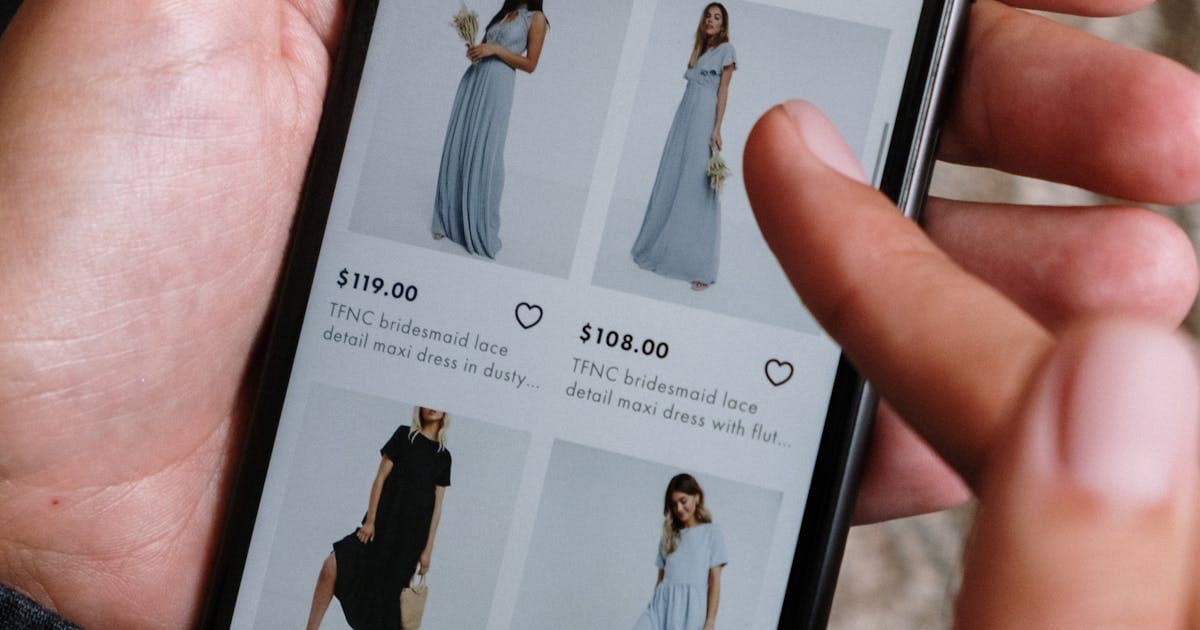
You've seen the memes. On the left: the sleek jacket from the product page. On the right: the sad, shapeless thing that arrived in the mail. It happens to everyone. But why?
It's not always because the brand is lying to you (though sometimes it is). There are real, technical reasons why clothes look different online compared to real life. Understanding them makes you a much better online shopper.
Studio lighting changes everything
Product photos are shot under controlled studio lighting. Usually soft, diffused light from multiple angles. This eliminates harsh shadows, evens out the fabric surface, and makes colors pop.
Your bedroom doesn't have studio lighting. That charcoal sweater that looked rich and textured on screen? Under your overhead light, it looks flat and grey. This is the single biggest reason for the disconnect.
Professional models have ideal proportions
Most clothing models are 5'10" to 6'2" with lean builds. Clothes are literally designed to look good on these body types. A blazer that falls perfectly at mid-hip on a 6-foot model will hit differently on someone who's 5'7".
Some brands use clips and pins on the back of garments to make them fit the model perfectly for the photo. That tailored look in the picture? It might not exist in the actual garment.
Color calibration is inconsistent
The color you see depends on your screen. A phone screen, a laptop screen, and a desktop monitor will all show the same image slightly differently. Add in the color adjustments made during photo editing, and you can end up with a product that's a full shade off from what you expected.
I ordered a "dusty pink" sweatshirt last year that arrived closer to salmon. On my phone, it had looked perfect. My phone was wrong.
Fabric drapes differently on different bodies
How a fabric hangs depends on body shape, posture, and proportions. Silk drapes differently on broad shoulders than on narrow ones. A cotton tee with "relaxed fit" will billow on a thin frame and stretch across a wider one.
Product photos can't show you this because they only show one body. Your body.
What you can do about it
Learn to read product photos critically
Look at where the seams fall on the model. Check if the fabric bunches or pulls anywhere. If the model is only shown from certain angles, ask yourself why. Front, back, and side views give you the full picture. If a brand only shows the front, be cautious.
Check for user-submitted photos
Reviews with photos from real customers are the most honest representation of how a product looks. One photo from a 5'6" person wearing a medium tells you more than five studio shots.
Use virtual try-on
This is the closest you can get to seeing the garment on your body without buying it first. Upload your photo to a tool like Veston and get a preview that accounts for your proportions. It won't fix the color issue, but it solves the "will this look like that on me?" question.
The bottom line
Product photos are marketing, not reality. Once you accept that, you stop being disappointed and start shopping smarter. The tools and habits exist to close the gap. You just have to use them.